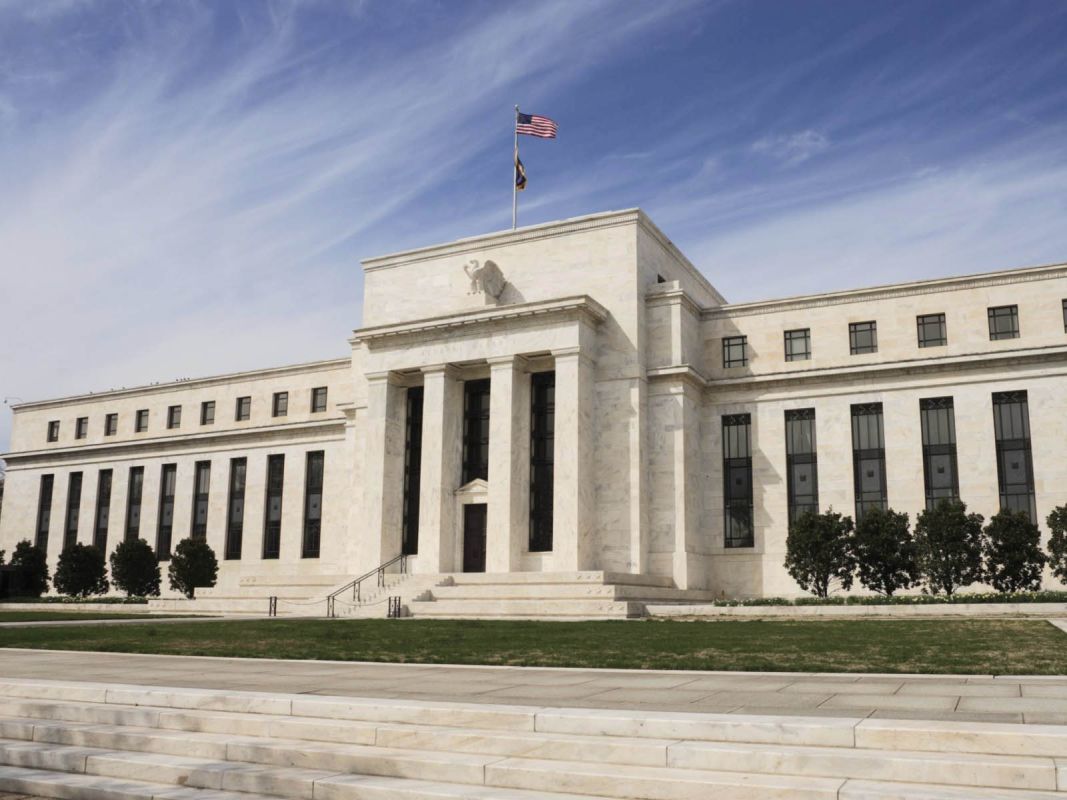




This week we wanted to talk about interest rates and how the Federal Reserve (Fed) communicates its interest rate policy. At a time when everyone believes that “more is better” when it comes to information, the new Chair of the Fed, Kevin Warsh, and others favour a different approach.
Over the past twenty years or so, the US Federal Reserve has communicated quite extensively with investors – in speeches, press conferences and regular economic forecasts. This so-called policy of “forward guidance” was intended to give investors a pretty clear idea of what the Fed intended to do in the future. The idea was that this would help to anchor expectations for interest rate policy.
In recent years, there’s been some pushback – most notably from the new chair of the Fed. In fairness, Warsh has been sceptical about the approach for some time. The argument is that telling everyone what you’re going to do in the future makes it harder for you to change your mind, even when you should.
Critics of forward guidance typically refer to the period of 2021-2023 to support their case. Inflation spiked following the post-Covid re-opening and the Russian invasion of Ukraine. Critics argue that the Fed moved too slowly to change its stance and hike interest rates – in part because it had initially argued that inflation would prove transitory. Critics believe the decision to keep rates lower for longer kept inflation higher than it would otherwise have been and damaged the credibility of the Central bank. Some say that the policy meant that investors spent too much time trying to understand how the Fed would interpret data, rather than thinking about how the economy was behaving. Warsh wants investors to “play the ball, not the referee”.
So much for the debate – where are we now? At its latest meeting US central bankers left their policy rate unchanged, but with three members of the committee wanting to raise rates. That’s an unusually high level of disagreement. At the press conference, Chair Warsh said relatively little about his thinking on the economy, while reiterating firmly his commitment to bring down inflation towards the 2% target.
That approach brought a mixed reaction from investors. The immediate reaction from the bond market saw short-term yields fall, while longer-term yields rose. Warsh argued that the bond market was doing the Fed’s work for it. Higher long-dated yields could mean that the central bank wouldn’t need to raise its policy rate to impact the economy. That might be true, but it’s reasonable to ask if that improves or damages the Fed’s credibility.
At this point, it’s worth asking what “credibility” really means. We could say that it comes back to the question of where inflation really comes from. There are a range of views around that, but one view says that expectations about future inflation are important. So if businesses and households believe inflation will be low, then that helps make it a self-fulfilling prophecy. If you don’t have credibility, and inflation is higher, that likely means that bond yields will be higher too.
So, where does this get us? For now, we should expect to see less information from the Fed. That should mean that investors spend more time thinking about macro data, but also it might mean that investor expectations become more important. If investors signal that they expect a rate hike, that might impact the Fed’s thinking rather than the other way around. With less guidance about future policy from the Central Bank we could also expect to see bond yields that are, for now, a bit higher than they might have been and with more volatility. In the long term, that might create a better outcome for monetary policy, if inflation falls back to target faster. But in the short term it might create some headwinds for businesses and households in terms of borrowing costs.
Ultimately, a world with less forward guidance might reward disciplined investing over short-term forecasting. Rather than trying to anticipate every policy decision, we believe the focus should remain on building resilient portfolios that can adapt to a wide range of economic outcomes.
*As with all investing, financial instruments involve inherent risks, including loss of capital, market fluctuations and liquidity risk. Past performance is no guarantee of future results. It is important to consider your risk tolerance and investment objectives before proceeding.