




There are a handful of topics dominating financial markets at present and inflation is one of them. With the conflict in the Middle East pushing oil prices higher, investors and central bankers have been paying close attention to how consumer prices are reacting.
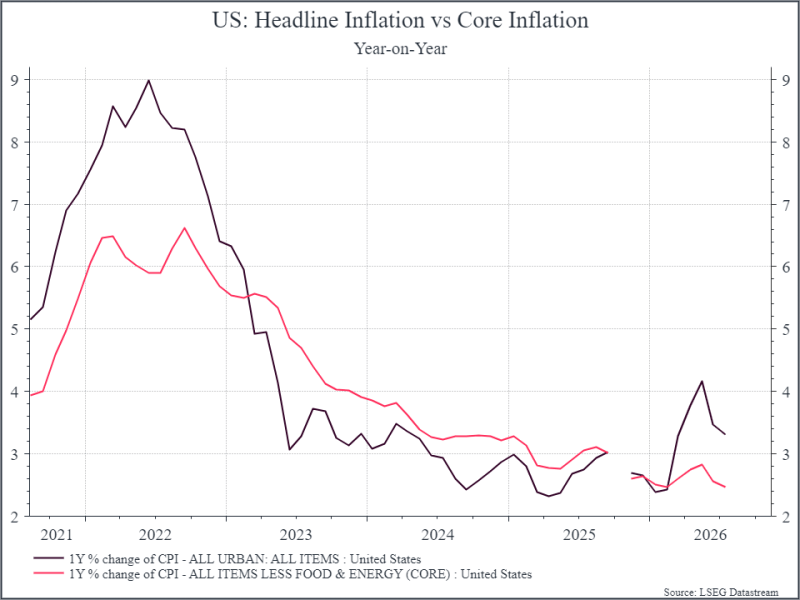
So far, we’ve seen a bit of a jump in headline inflation, but when you exclude food and energy, so-called core inflation looks fairly well behaved. Yes, inflation is above central bank targets and that has prompted the European Central Bank (ECB), at least, to raise its policy rate. But given the shock to energy prices, we’d still argue that inflation has so far been better than we might have feared. If that trend continues, central bankers might be able to get through 2026 without hiking rates, even if it’s still a close call.
Just to dig into the data a bit more; on Wednesday we saw the latest US inflation release, for July. The figures were very much in line with expectations. Headline inflation rose 3.4% year on year, while core inflation (excluding food and energy prices) rose 2.5%. These numbers are still above where the US central bank would like them to be, but given the oil shock from the Middle East and some fairly robust spending on Artificial Intelligence (AI), we think this is a better outcome than we might have feared at the end of March.
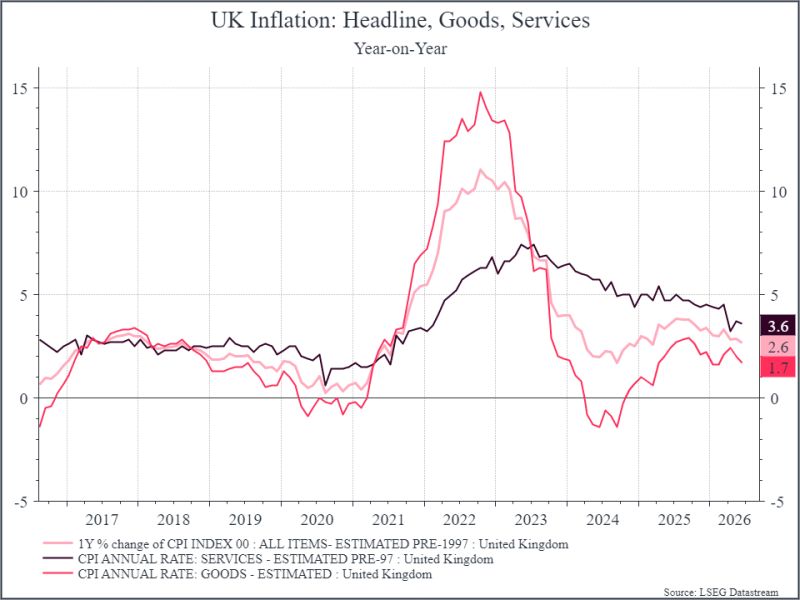
Turning to the UK we see a broadly similar picture. The chart below shows annual inflation for goods, services and the overall consumer basket. Again, headline inflation is above the Bank of England’s 2% target, but if we just looked at this data, we might not guess that the oil price had jumped 50% from February to June.
What’s behind this relatively subdued response? We think there are a couple of reasons. First, while the oil price has risen, it’s gone up by much less than many had feared. As we’ve discussed before, we think that a sharp drop in Chinese oil imports has helped to protect the global economy, at least for now, from the supply disruption in the Strait of Hormuz.
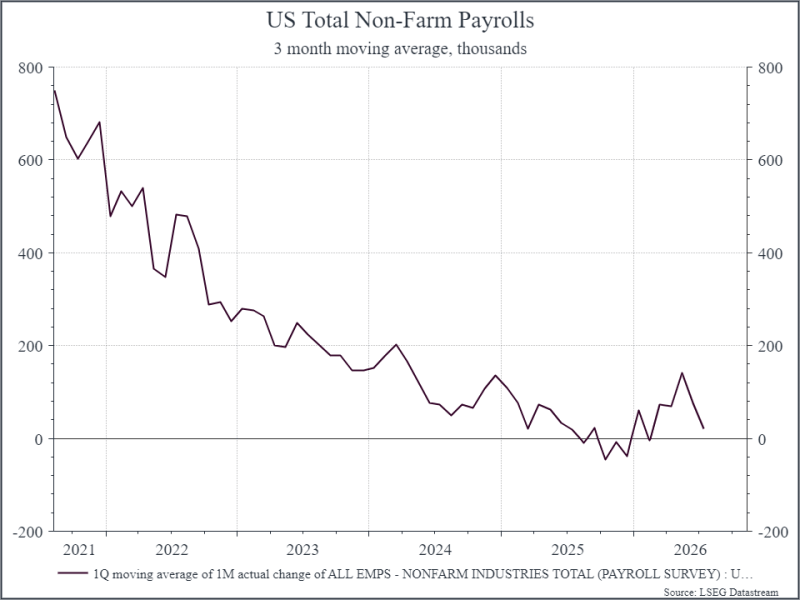
Second, we think that labour markets have softened a bit. US job creation has been pretty muted in recent months, as shown in the non-farm payrolls chart below – which tracks the number of salaried workers in the US economy, excluding agricultural workers, private household employees, and non-profit organisation staff.
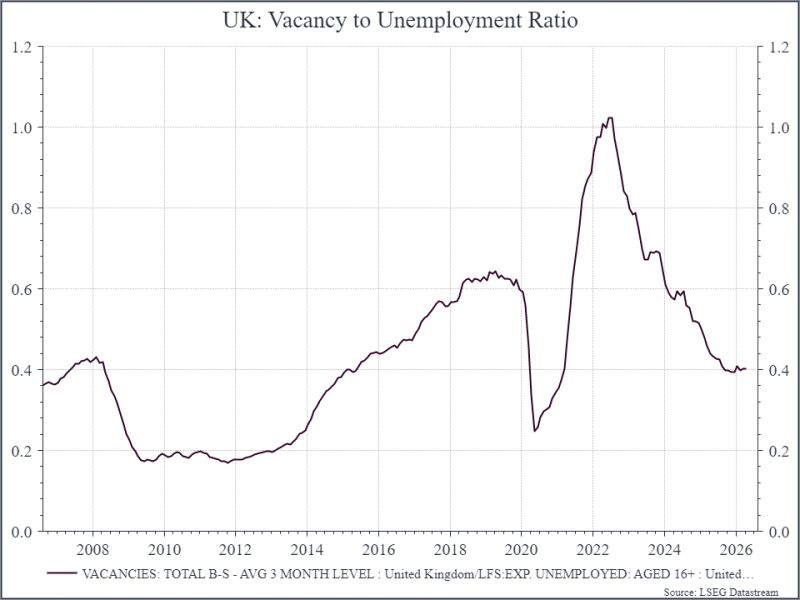
In the UK, we see that the number of vacancies per unemployed worker has fallen steadily over the past three years.
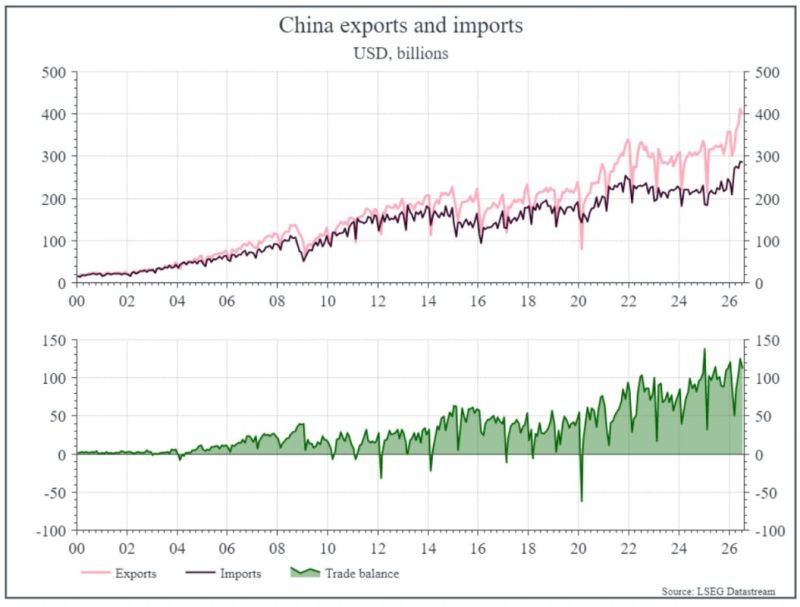
Finally, we also think that Chinese businesses have ramped up their exports, possibly reflecting fairly weak domestic demand (see the chart below). We think Chinese trade could have helped cap inflation of goods in Europe and the US, even considering the impact of higher tariffs.
So, where does this leave us?
We think inflation will remain a key focus of attention for investors and central bankers. Inflation in Europe and the US is running above target, and central bankers won’t be keen to repeat the 2022 experience, when inflation spiked and they were, with hindsight, slow to raise rates in response.
At the same time, inflation has been better behaved than many feared, under the circumstances. The latest figures from the US give some grounds for optimism, particularly once you exclude food and energy. If we do see oil supply normalise (and we’ve written about it quite often over the past few months), then we could see inflation decelerate. That might not be enough for central bankers to bring down policy rates in the next few months, but it could give them enough reason to leave rates where they are.
What does it mean for portfolios?
We’ve had a number of interesting debates on this point in recent weeks. Yields have risen, both nominal and inflation-adjusted. At the same time, inflation swaps (which forecast future inflation) have stayed fairly low – suggesting that investors already expect inflation to normalise over the next twelve months. If inflation does decelerate, then there should be limited scope for higher policy rates, and that should be broadly supportive of equities.
Then we have the question of government deficits in Europe and the US. Governments will certainly be selling more bonds in the future. Given that context, we remain a bit wary of buying longer-dated government bonds, even if we could see inflation decelerate. For now, on balance we continue to prefer shorter-dated bonds, where we think yields remain attractive.
*As with all investing, financial instruments involve inherent risks, including loss of capital, market fluctuations and liquidity risk. Past performance is no guarantee of future results. It is important to consider your risk tolerance and investment objectives before proceeding.