




The global economy remains as complex as ever given all the cross-currents of geopolitical conflict, rising inflation and increased investment in technology. We wanted to highlight some of the data points we’ve been looking at over the past week. They show some of the strength in the global economy, while also highlighting the challenges that are weighing on households.
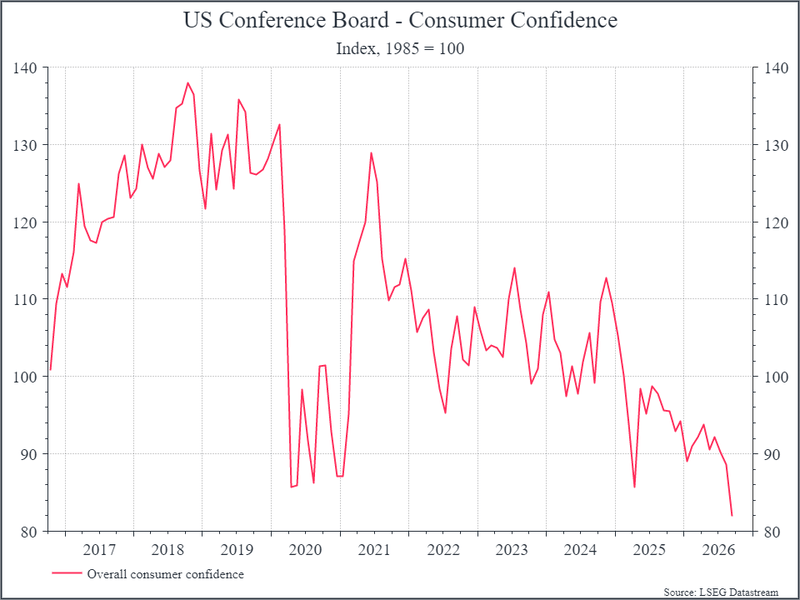
It’s been a theme for some time, but this week we got another reminder about the differences between sentiment indicators and actual macro data. Consumers say they are nervous, but they continue to spend. The Conference Board, a US economic research organisation, released its consumer sentiment survey, showing the lowest level of consumer confidence in a decade (see chart below).
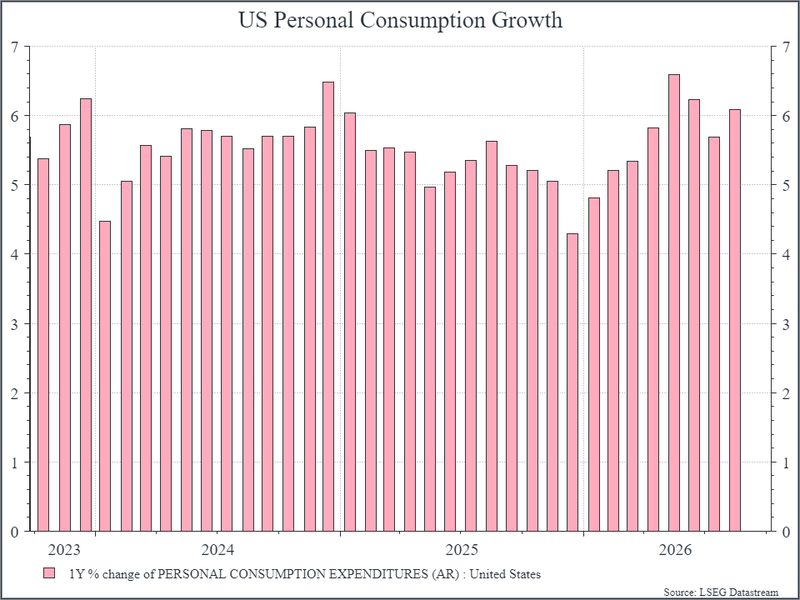
At the same time, personal consumption growth in the US is pretty robust, rising over 6% year-on-year (including inflation).
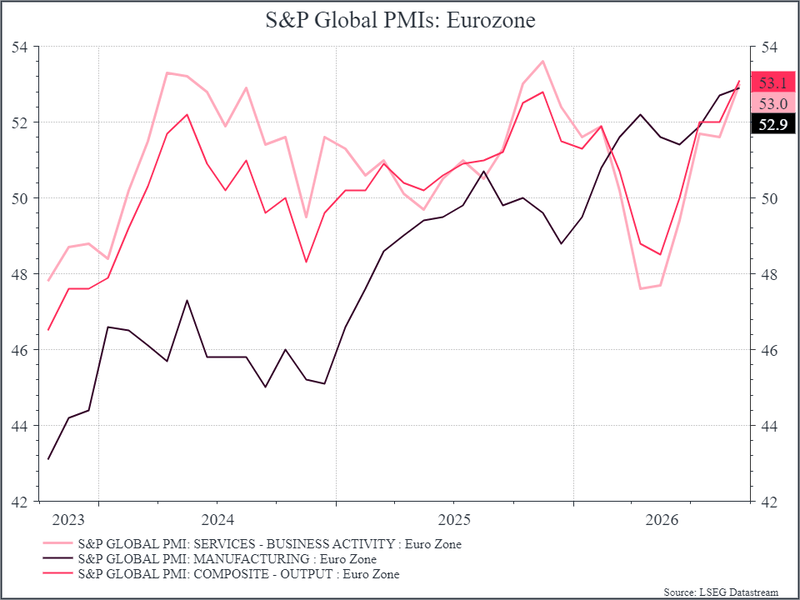
Decent economic news isn’t limited to the US. The latest surveys for business activity in Europe point to pretty decent growth (see chart below, a reading above 50 typically indicates growth). Even manufacturing surveys have shown an improvement despite the well-documented challenges.
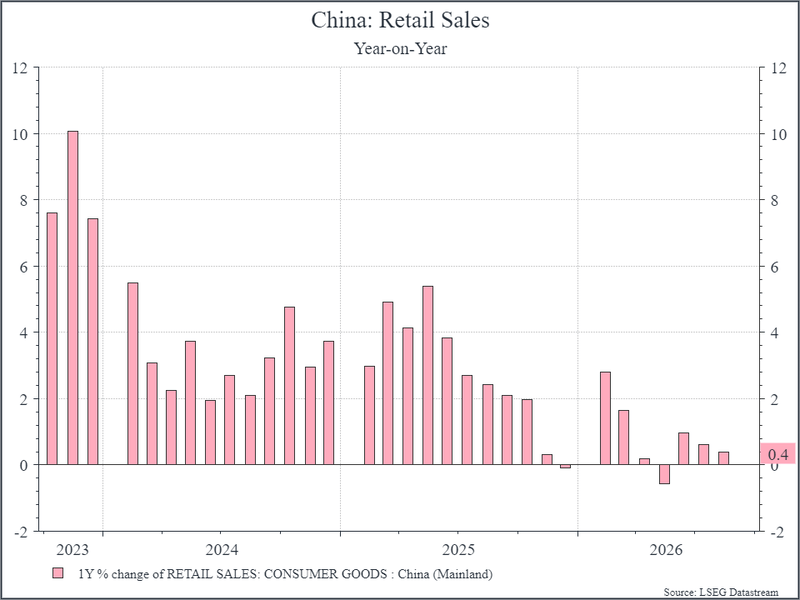
In China, the picture is a bit mixed. Manufacturing surveys suggest fairly tepid growth, at least by historical standards, although Chinese industrial profit growth has accelerated from low levels. On the consumer side retail sales growth has been pretty muted.
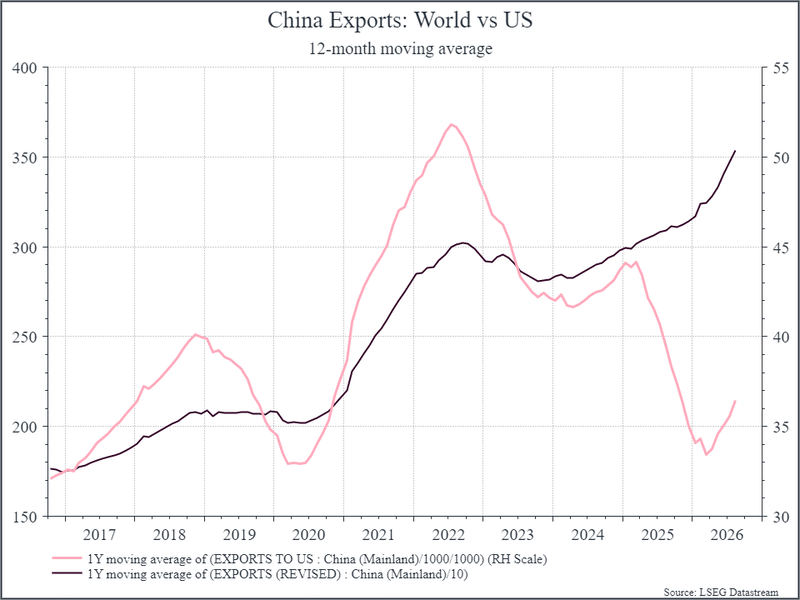
The trade picture in Asia is more positive. Chinese exports have picked up over the past few months, even to the United States (see chart below).
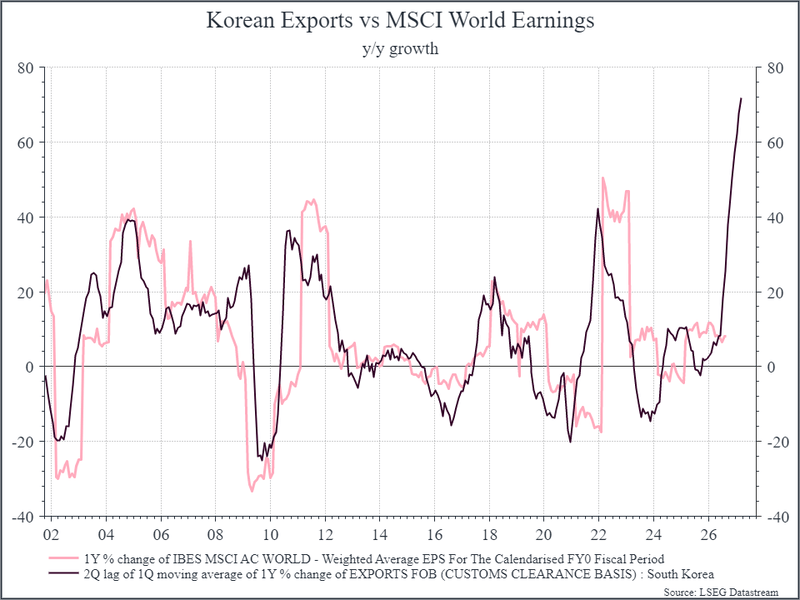
The picture is more pronounced in Korea, with export growth currently running at close to 80% year-on-year – a macro indicator of the demand for Korean tech products. Historically, robust Korean exports have pointed to solid earnings growth for global equities (see chart below).
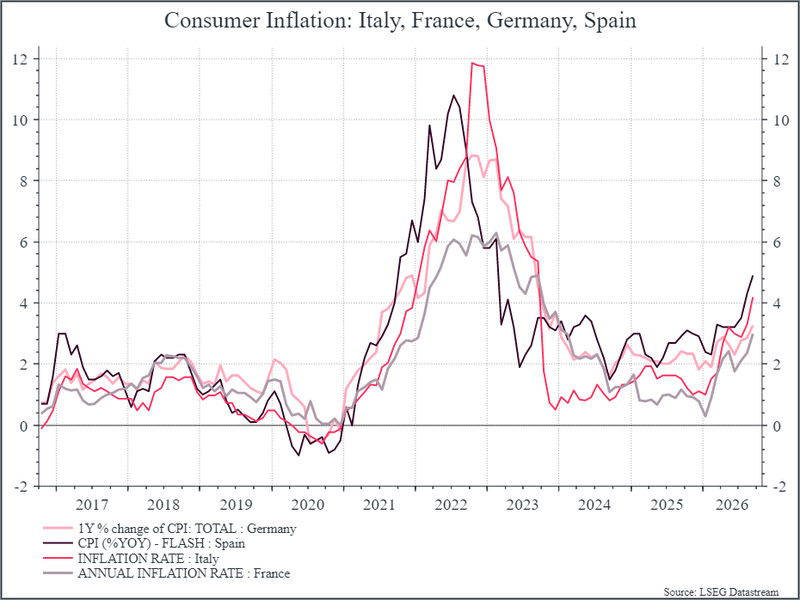
Finally, there’s inflation. The outlook here is more challenging and that should bring higher policy rates in the coming quarters. Eurozone inflation hit its highest level in three years in September – with annual inflation in Spain reaching 4.9%.
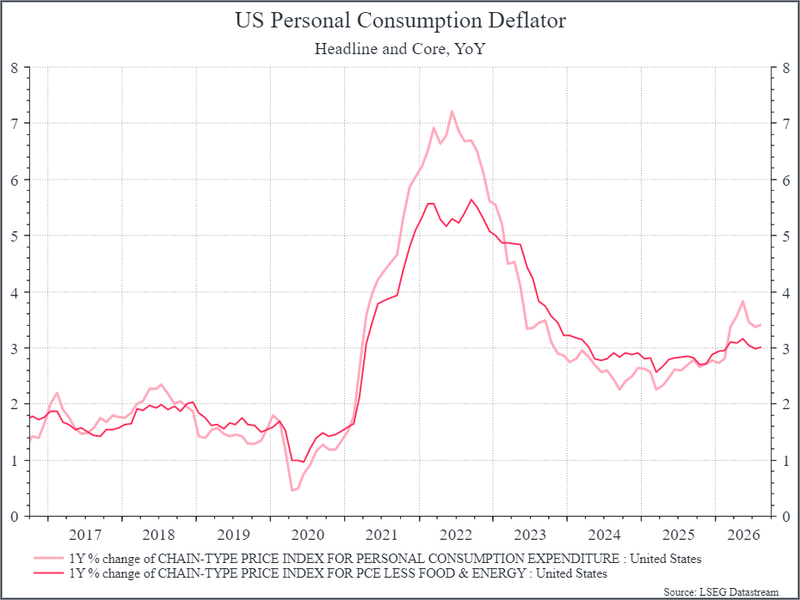
The picture is similar in the US, although the pick-up in inflation has so far been less pronounced (through August). The Personal Consumption Expenditures (PCE) deflator – the preferred metric of the US Central bank – rose 3.4% year-on-year, although the figure was lower if you exclude food and energy.
So where does this get us? Despite the long list of challenges, the global economy has held up better than we might have expected. Spending on Artificial Intelligence, and tech more broadly, has had a significant impact. In some respects it has helped to offset the potential slowdown from higher energy prices, and led to stronger growth. In other ways it has exacerbated some macro challenges, increasing demand for power generation, construction materials and certain commodities. That’s helped to push interest rates higher, making life tougher for borrowers.
It remains quite a delicate balance, but we are wary of focusing only on the negative scenarios. It’s fair to say that higher interest rates could slow down growth and impact corporate earnings. But on a more positive note, geopolitical de-escalation could produce lower energy prices, lower inflation and relief for many households and businesses – allowing for a further acceleration in economic activity. We’ll continue to monitor the global environment carefully, ready to shift our positioning as our outlook adjusts.
*As with all investing, financial instruments involve inherent risks, including loss of capital, market fluctuations and liquidity risk. Past performance is no guarantee of future results. It is important to consider your risk tolerance and investment objectives before proceeding.